


Experience the difference
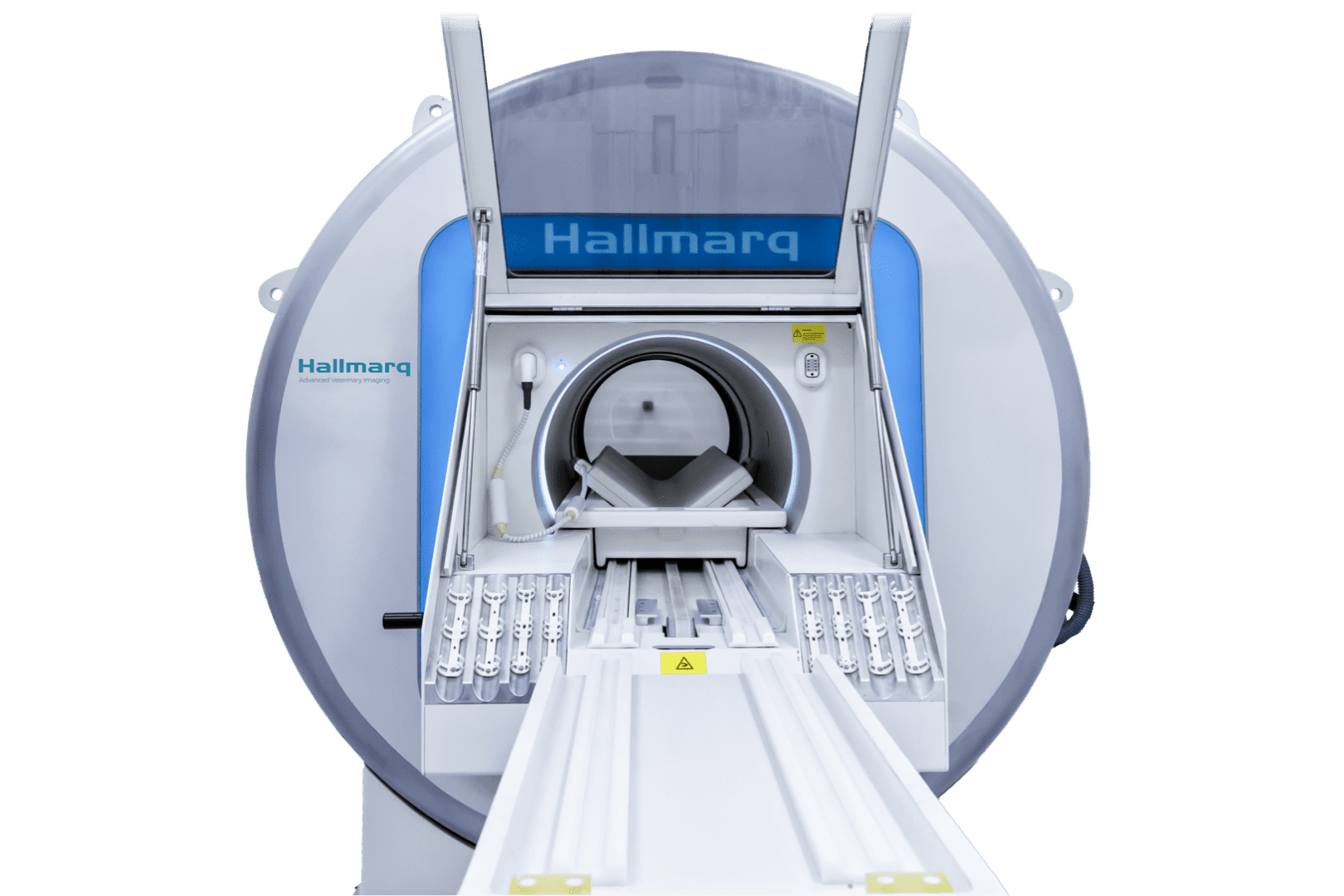
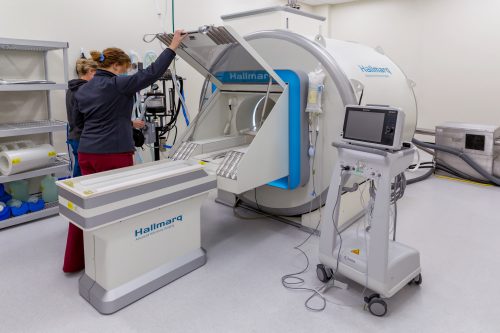
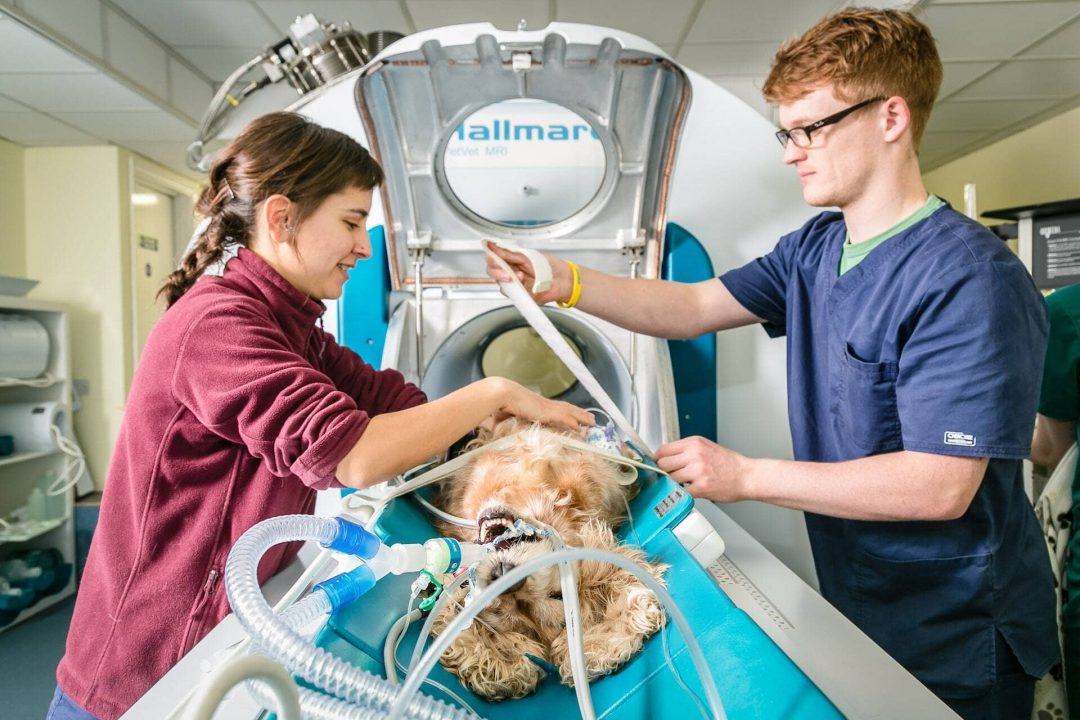
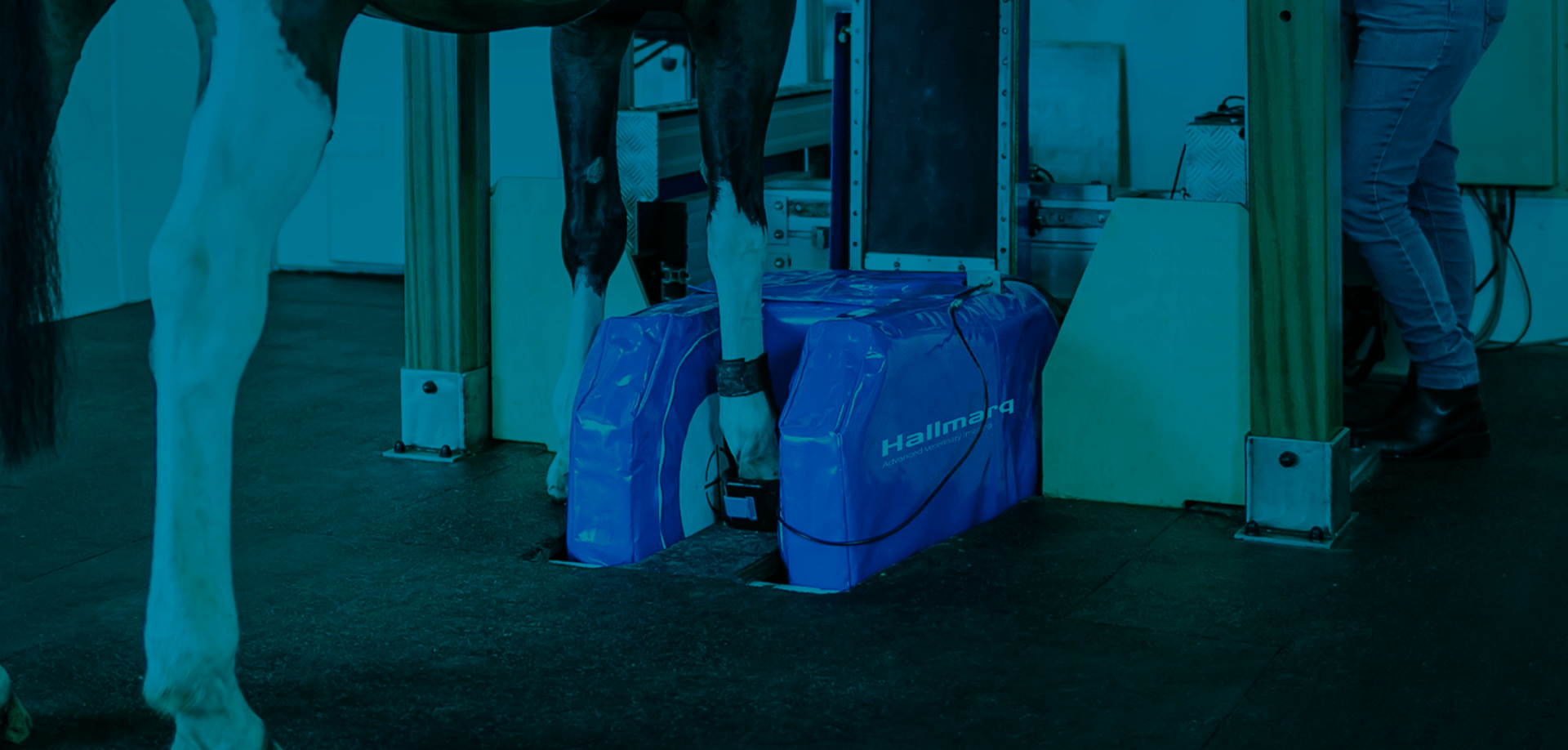
As industry specialists, we focus on providing veterinary-specific advanced imaging systems that deliver safe, effective, and affordable solutions to practices worldwide.
With a passion for animal health, and over two decades of experience in the industry, we’re revolutionising advanced imaging with pet-specific solutions and veterinary imaging equipment designed to elevate your business.
Backed by Q-Care – our world-class service and support programme – our exclusive dedication to the needs of the industry delivers exceptional value to your patients and practice.
We can help you significantly improve your clinical practice with our safe and effective imaging systems.
Contact the professionals at Hallmarq Veterinary Imaging today to learn more about our cutting-edge veterinary imaging equipment and affordable imaging solutions.
Products & Services
Q-Care
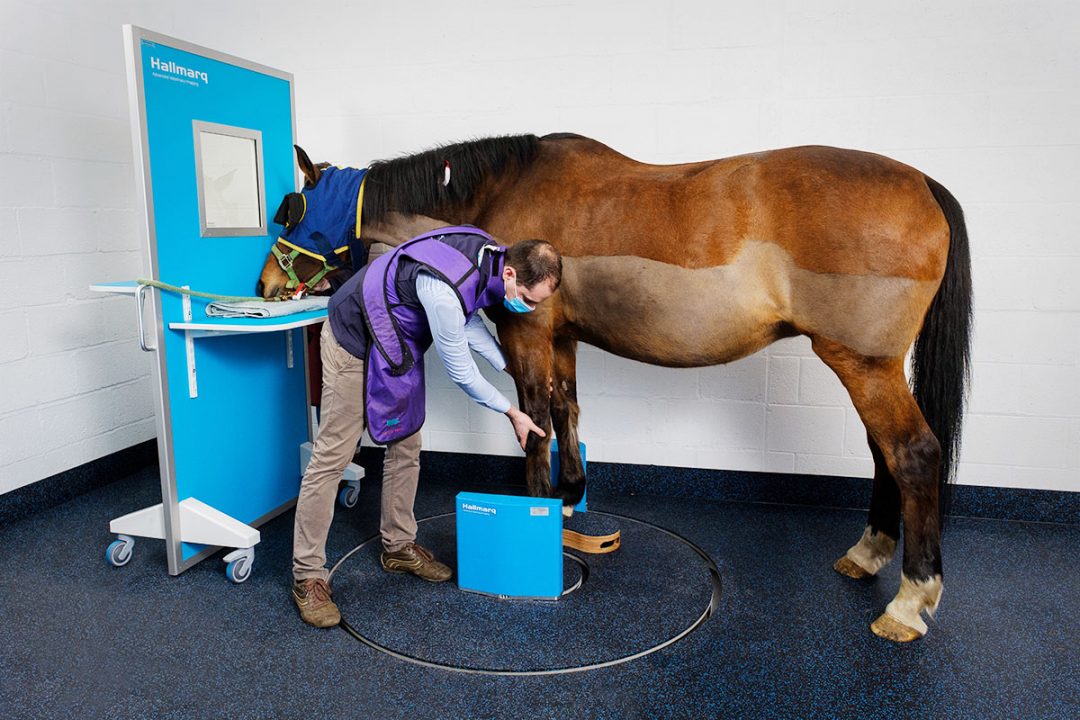
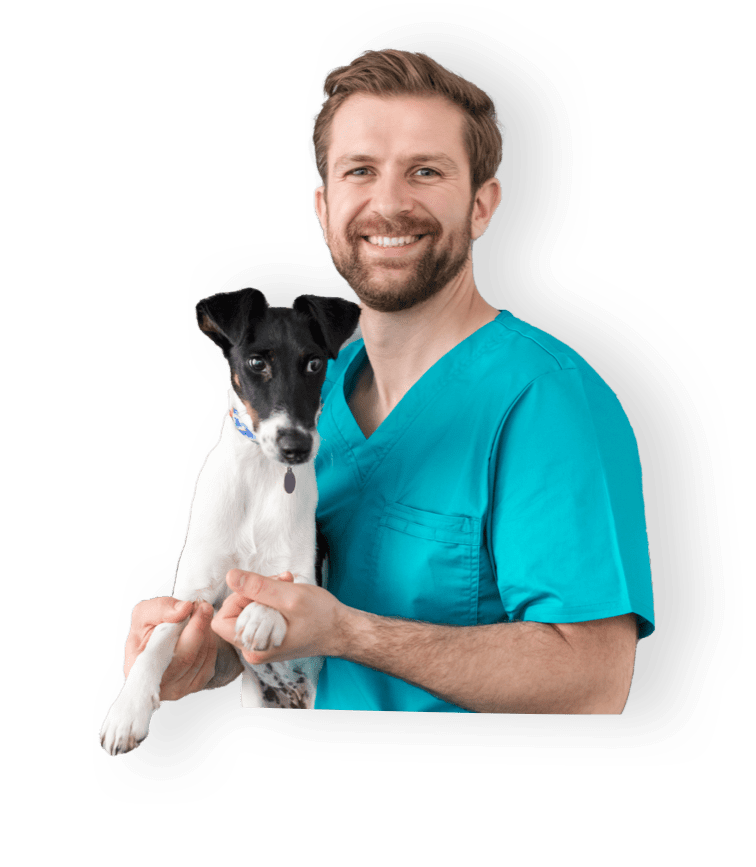
We are your trusted partner for advanced veterinary imaging.
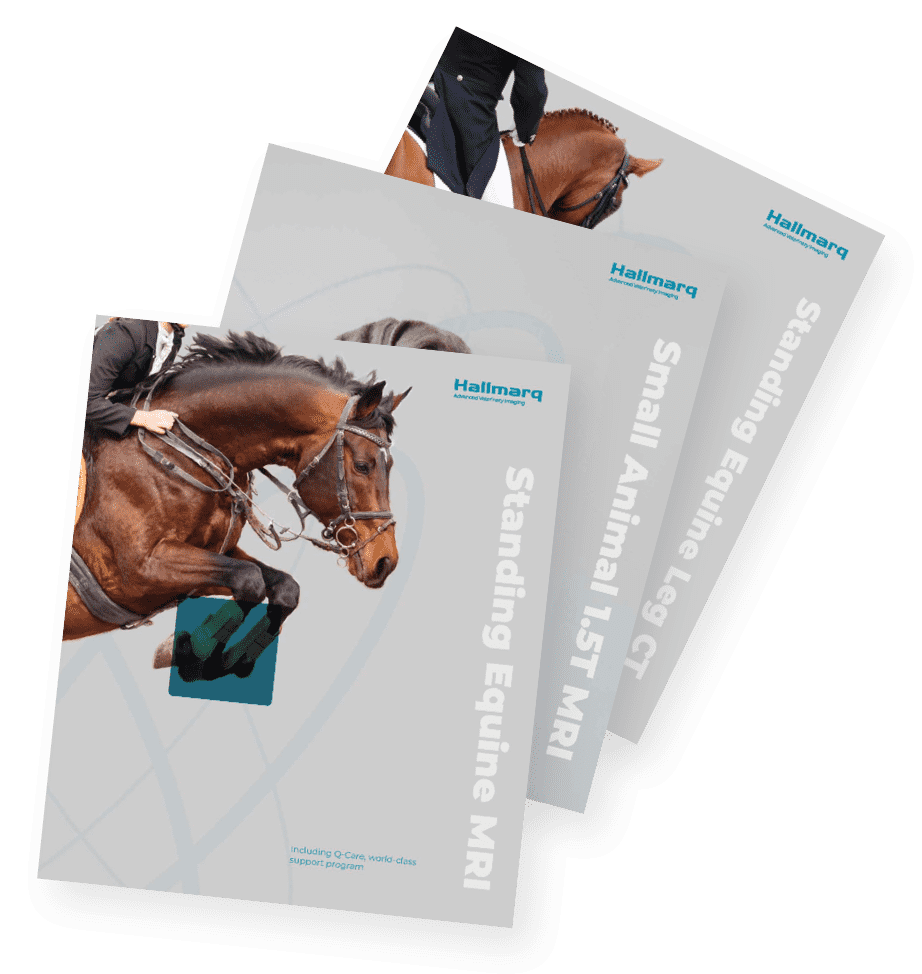
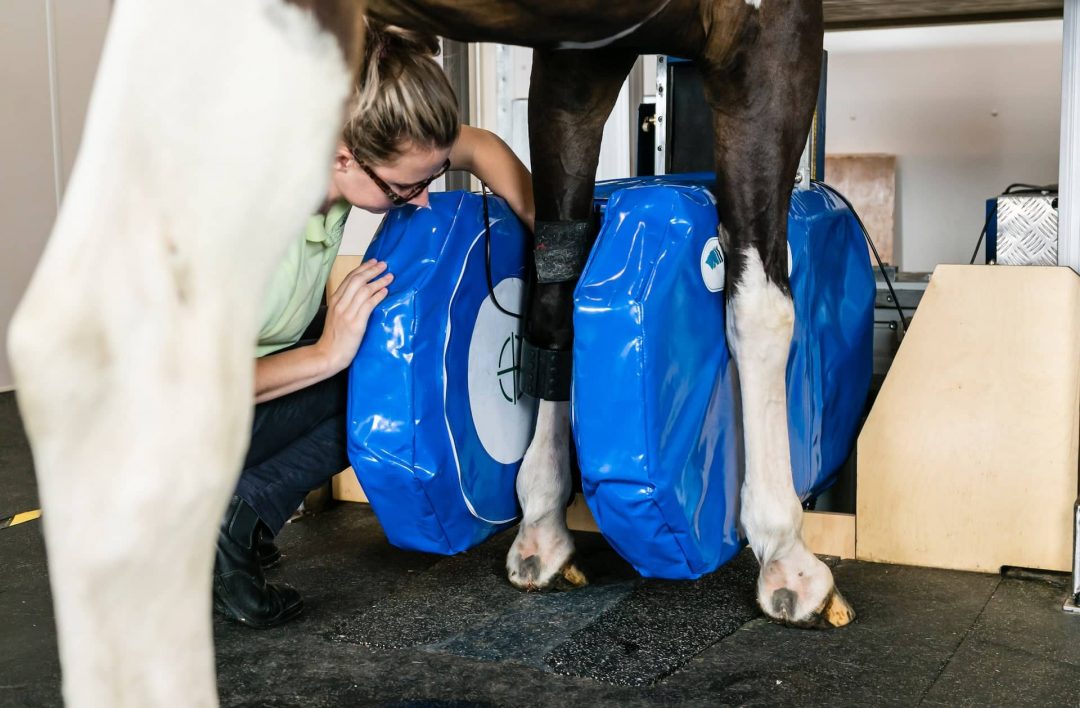
Providing high-quality images is just the beginning. We’re here to help optimise your imaging service – from initial enquiry through installation and beyond. We guarantee support along your imaging journey, with an unrivalled programme designed to add value to your practice.
Success stories
What our customers say
“Hallmarq, our MRI provider, is a company that has been and is a trusted vendor in every respect. They are knowledgeable, professional, and honest. Working with them has been an absolute pleasure, and I recommend them without reservation.”
Dr. Lloyd Meisels DVM Hospital Director at Coral Springs Animal Hospital, Florida

“I am so appreciative of the support I receive from the Hallmarq team whenever I raise the “help” flag. I know for certain that I do not say it enough but thank you for being available to help out when we users find ourselves in a jam.”
Dr. Stacey Kent, VMD, MRCVS, CVA Equigen LLC
“We are proud to have been involved with the development of Hallmarq’s standing MRI scanner since its inception. This technology has transformed our ability to diagnose many musculoskeletal disorders, particularly diseases affecting the foot.”
Tim Mair BVSc, PhD, DEIM, DESTS, DipECEIM, MRCVS Bell Equine Veterinary Hospital
“Hallmarq has been a great partner in providing our MRI services. The training provided was well organized and sponsorship of our MRI CE program provided to referring veterinarians was a great success. Thank you Hallmarq for your continued support.”
Dr. Bill Hay, DVM. DACVS Tryon Equine Hospital Columbus, NC
“In many lameness cases, it is not possible to find a definitive diagnosis. With our Hallmarq system we are finally able to solve the puzzle! This is a big step ahead for us, our clients and most importantly, the horses.”
Dr. Martin Stoeckli Pferdeklinik Dalchenhof, Switzerland

“I am very pleased with the personal approach to your clients, from all levels of your organisation”
Peter van Oijen Veterinair Centrum Someren
“I must thank the whole Hallmarq team for your help and development of such a useful and effective tool”
Matteo Toniato, DVM Clinica Equina San Biagio

“Hallmarq’s MRI has revolutionised the way foot lameness has been diagnosed in thousands of cases over the last 15 years. Excellent image quality facilitates accurate diagnoses, appropriate treatment selection and formulation of a prognosis.”
Sarah Taylor BVM&S MSc PhD Cert ES(Orth) DipECVS DipECVSMR MRCVS The University of Edinburgh. The Royal (Dick) School of Veterinary Studies

Suzanne Reese did a great job helping us learn and troubleshoot some of the issues that came about with the new Vision CT install. She was fun, professional and took all the time needed with us. It was a pleasant experience.
Dr. Paul Anikis DVM Piedmont Equine Practice
“The team at Hallmarq continue to find innovative approaches to improve motion correction and reduce slice thickness. When I use their images at international conferences, I am repeatedly asked if they were taken with a high field magnet.”
Sarah Taylor BVM&S MSc PhD Cert ES(Orth) DipECVS DipECVSMR MRCVS The University of Edinburgh. The Royal (Dick) School of Veterinary Studies
“Standing MRI allows us to accurately diagnose the cause of lameness in the vast majority of cases where standard diagnostic techniques fail to give us the answer.”
Tim Mair BVSc, PhD, DEIM, DESTS, DipECEIM, MRCVS Bell Equine Veterinary Hospital
Working together
Clients & Partners















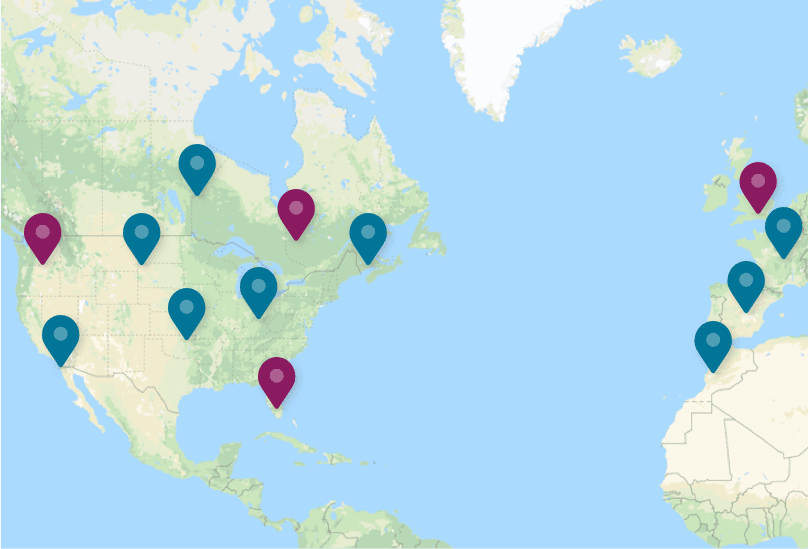
Where we can help
Find your nearest Hallmarq system
Our systems are available at some of the world’s leading veterinary facilities in over 25 countries. To find the system closest to you, click below.
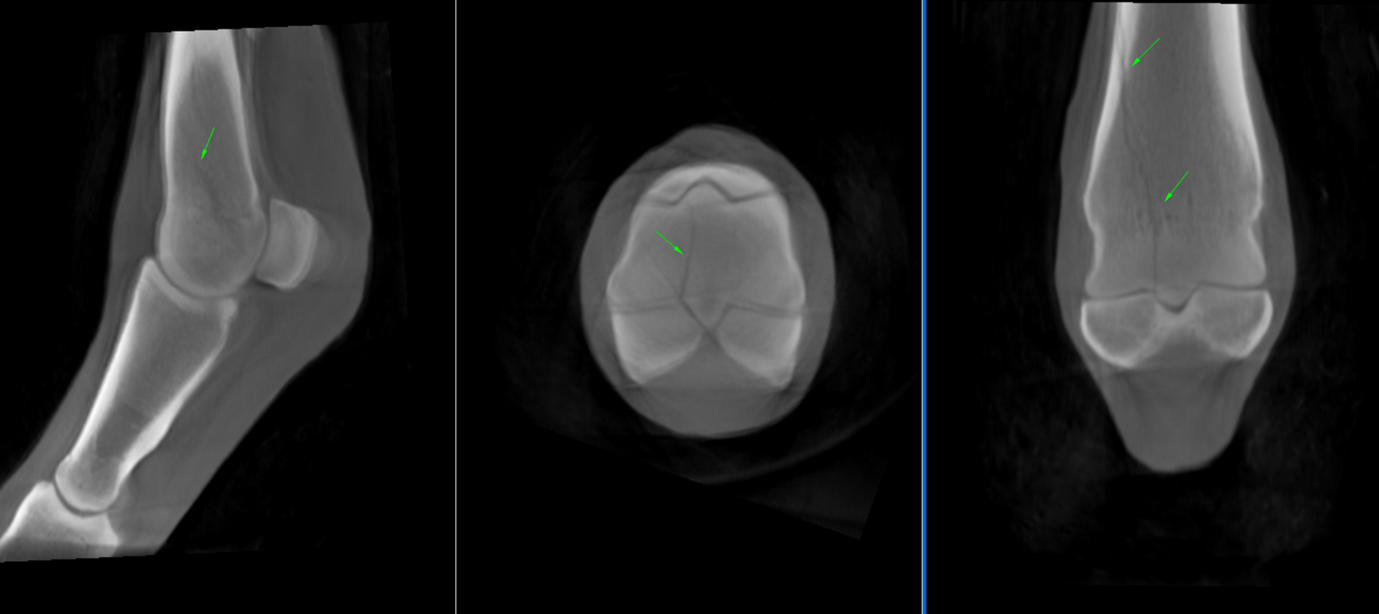
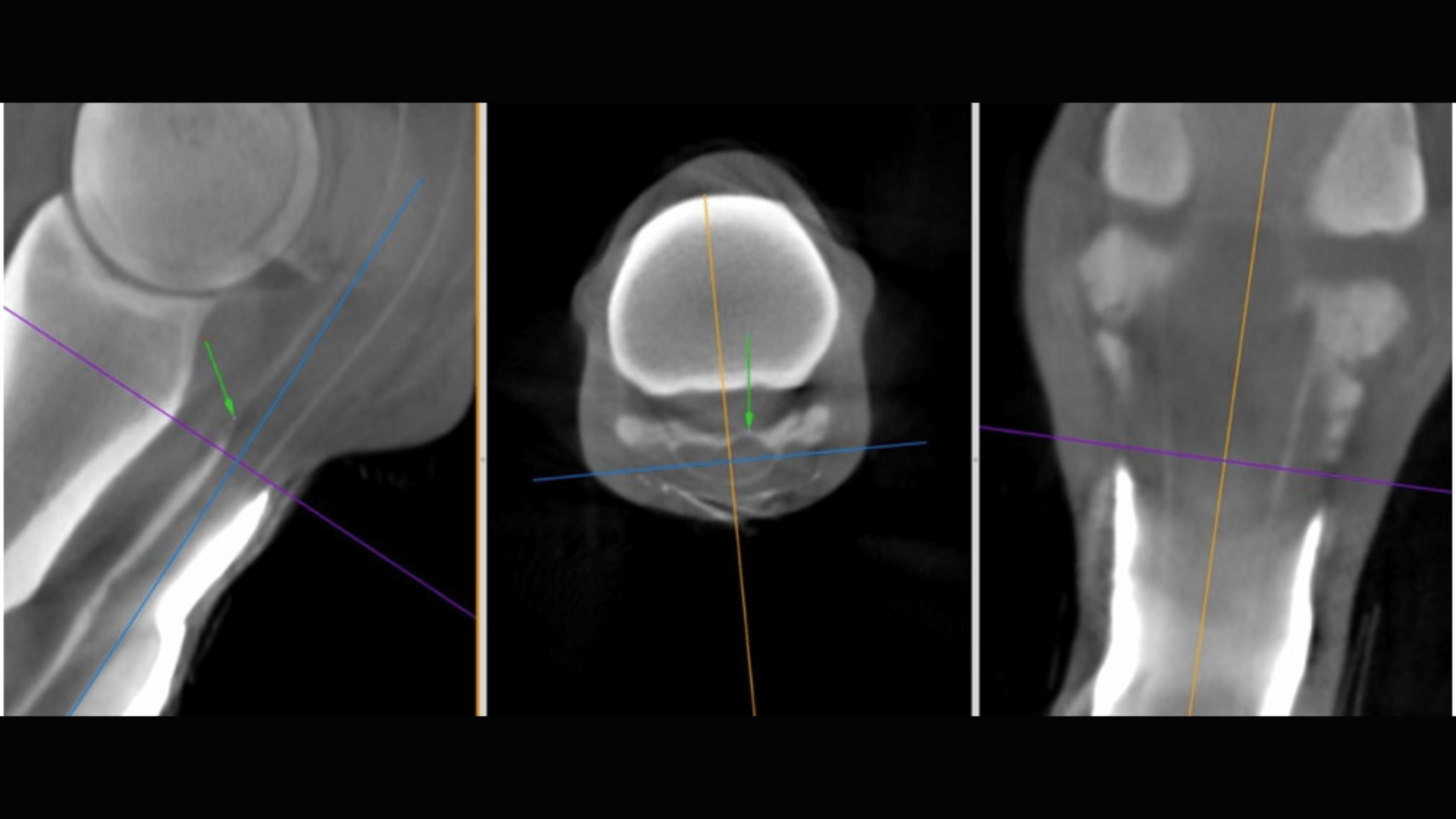
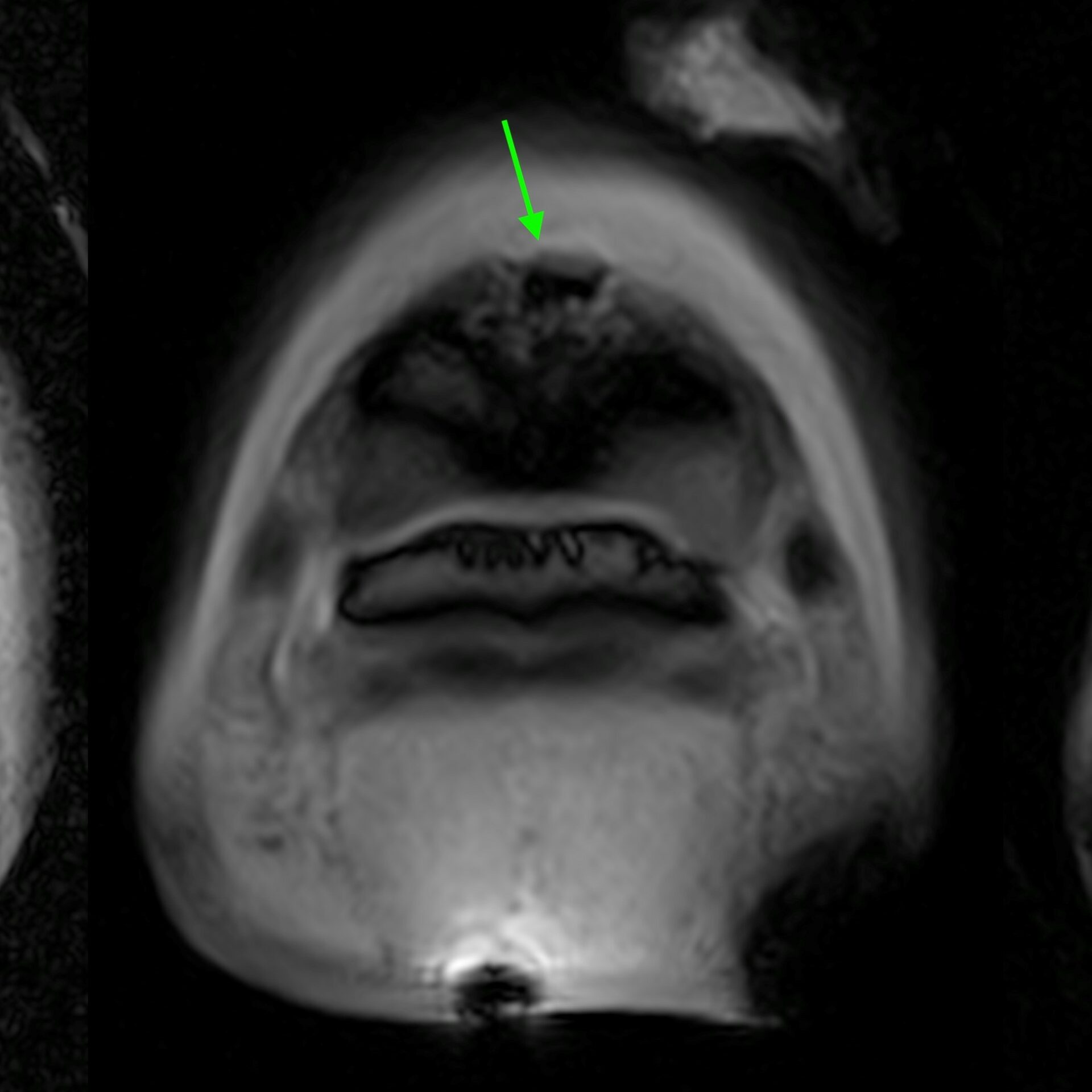

Download Centre
Find out more about us and our products, download image samples and resources.